Surgical appointments are where sedation stops being a preference and starts being part of the plan. Not because the surgery is unmanageable, but because of the length, the number of injections and the recovery that follows.
Why surgical appointments are treated differently
Published guidance links the choice of sedation type to procedure length as well as anxiety, and wisdom teeth, multiple extractions, implants and full-mouth plans are the appointments that run long. That is the reasoning behind reaching for a deeper route rather than an inhaled one.
What sedation does not change is the surgery itself. The assessment, the imaging, the technique, the aftercare and the risks are the same whether you are sedated or not. It changes how much of it you experience, and how much you remember.
Who provides sedation for surgery
Two arrangements are common and published guidance describes both. An oral surgeon may provide the anaesthesia and then carry out the procedure, or a dental anaesthesiologist may provide intravenous sedation while your dentist performs the treatment.
That distinction matters practically. It decides the fee, who monitors you, and sometimes which practice you need to be referred to. Ask the question directly: for this procedure, which sedation do you provide, and who administers it? If the answer is that the practice does not offer what you need, that is information to act on before a treatment plan is agreed rather than after.
The published costs, and the codes behind them
Sedation is charged per event on top of the surgery: $50 to $150 per visit for inhaled sedation, $150 to $500 per appointment for a prescription sedative, $250 to $1,000 or more per visit for intravenous sedation, and $800 to $2,000 per procedure where general anaesthesia is used.
Dental plans frequently exclude or cap sedation, so the honest planning assumption is that the sedation line is out of pocket unless your plan says otherwise in writing. Confirm the code that will appear on the treatment plan - D9230, D9248, D9239 or D9243 - and ask what you pay if the plan denies it. Also ask whether the pre-sedation assessment is charged separately, and what happens to the fee if the appointment is extended or rescheduled.
Comparing the four options at a glance
The published detail behind each route, before you commit to a surgical plan.
| Option | How it is given | Getting home | Published range |
|---|---|---|---|
| Nitrous oxide | Inhaled through a mask or nosepiece, effective within three to five minutes | You can drive yourself | $50 to $150 per visit |
| Oral conscious sedation | A prescription taken about an hour before the appointment | Adult escort required | $150 to $500 per appointment |
| IV sedation | Into a vein, with heart rate and blood pressure checked during the visit | Adult escort required | $250 to $1,000 or more per visit |
| General anaesthesia | Given by an oral surgeon or dental anaesthesiologist | Adult escort required | $800 to $2,000 per procedure |
Preparation decides whether the appointment happens
The fasting window comes from the practice, it differs by sedation type, and a missed cut-off means a cancelled appointment. Ask for the exact time in writing rather than assuming the usual advice applies.
The medication list matters more for surgery than for any other appointment. Bring everything you take, including anything not prescribed, plus any previous reaction to anaesthesia, a sleep-apnoea diagnosis, and heart, lung, liver or kidney conditions. Those answers shape the anaesthetic plan, and they are the reason the pre-operative questions are not a formality.
Then plan the day around the recovery rather than the procedure. A responsible adult escort for the appointment and afterwards, somebody with you for the rest of the day, and about 24 hours before you are back to normal for the prescription, intravenous and general routes. For a Louisville patient travelling in from the outer suburbs, that turns the escort into a real logistical question, so settle it before the date is fixed.
The first 24 hours after surgical sedation
The recovery is part of the appointment, not something that happens afterwards. Published guidance gives about 24 hours for the medication to clear after the prescription, intravenous and general routes: no driving, no alcohol, nothing that needs a clear head, and somebody with you rather than on call.
Swelling, stiffness and a sore jaw are the ordinary aftermath of surgical work rather than a sign that something has gone wrong. What matters is having the practice's written aftercare instructions in front of you, knowing which number to ring if something concerns you, and knowing what would count as an emergency rather than a normal day two. Ask for both before you leave, and ask who answers if you ring in the evening.
One practical point that saves a second trip: if more surgical work is likely to be needed later, ask now whether it can be combined into one sedation appointment. Sedation is charged per event, so a single longer visit avoids repeating the fee, the preparation and the recovery day.
A checklist to bring to the consultation
Ten items worth settling before sedation is agreed for surgery.
- I know which dental problem I want to discuss.
- I have a current list of everything I take, including anything not prescribed.
- I know my allergies and relevant medical history, including sleep apnoea and any previous reaction to anaesthesia.
- I can describe what specifically makes me anxious.
- I have asked which sedation options this practice provides.
- I know whether I need an escort, and who it will be.
- I have the eating and drinking instructions in writing.
- I know what the recovery period looks like and who will be with me.
- I have both fees - procedure and sedation - in writing, with the CDT code.
- I have written down my questions for the dentist.
Three things patients get wrong
1. Hiding medication or a medical condition to get sedation approved. Do not. A sleep-apnoea diagnosis or a heart condition changes which sedation is safe and how closely you are monitored, so it is the information that makes a plan safe rather than a barrier to it.
2. Assuming every practice that says "sedation dentistry" offers every type. They do not. Some provide inhaled sedation only, some add a prescription sedative, and intravenous sedation is generally provided by oral-surgery groups or with a dental anaesthesiologist present.
3. Assuming sedation is required for a root canal, extraction or implant. It is not. Sedation is an individual clinical consideration rather than a requirement.
Frequently asked questions
Do wisdom teeth always need sedation?
No. It depends on the case and the clinician's assessment. Some patients have them removed with local anaesthetic alone, and sedation is an individual clinical consideration.
Who gives the anaesthesia for oral surgery?
Either the oral surgeon provides it before the procedure, or a dental anaesthesiologist provides intravenous sedation while your dentist treats you. Published guidance describes both arrangements.
What should I arrange before a surgical appointment?
An adult escort for the appointment and afterwards, somebody with you for about 24 hours, the practice's fasting instructions followed exactly, and a full written medication and medical history.
Sources
Related


Sedation Dentistry services in Louisville

Iv Sedation Dentistry
IV sedation is the deepest form of conscious sedation available in a dental office. The medication goes directly into the bloodstream so the dose can be adjusted during the visit, and published clinical guidance describes heart rate and blood pressure being checked throughout.

Oral Conscious Sedation
Oral conscious sedation is a prescription taken about an hour before the appointment. Published clinical guidance names triazolam (Halcion), in the Valium family, along with zaleplon and lorazepam, and notes that children may be given a liquid such as midazolam syrup.
Nitrous Oxide Sedation
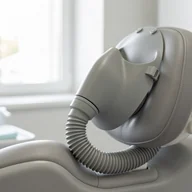
Nitrous oxide is the lightest and least expensive sedation option, and the only one that lets you drive yourself home. Published clinical guidance says the calming effect starts within three to five minutes and that pure oxygen at the end flushes the gas out.

Sedation For Dental Anxiety
Published clinical guidance lists the situations sedation exists for: fear of dental treatment, fear of needles that makes numbing injections unbearable, a very sensitive gag reflex, very sensitive teeth, claustrophobia in the treatment chair, difficulty controlling movement, and physical, behavioural or cognitive needs that make relaxing difficult.
Sedation For Oral Surgery
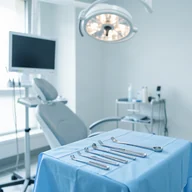
Oral surgery is where sedation stops being optional. Published guides put IV sedation at $250 - $1,000 or more per visit and general anesthesia for oral surgery at $800 - $2,000 per procedure, and clinical guidance notes that an oral surgeon may give anesthesia before the procedure or a dental anesthesiologist may provide it while your dentist treats you.

Sedation Dentistry For Children
Published clinical guidance notes that where a child is anxious, a dentist may use a liquid sedation such as midazolam syrup (Versed). The reasons are the same as for adults: fear, an inability to hold still, a strong gag reflex, or treatment that takes longer than a child can manage.
Areas we serve
Louisville
Sedation Dentistry in Louisville, KY - costs, water and soil notes.

St. Matthews
Sedation Dentistry in St. Matthews, KY - costs, water and soil notes.
Jeffersontown
Sedation Dentistry in Jeffersontown, KY - costs, water and soil notes.

Shively
Sedation Dentistry in Shively, KY - costs, water and soil notes.
Fern Creek
Sedation Dentistry in Fern Creek, KY - costs, water and soil notes.

Okolona
Sedation Dentistry in Okolona, KY - costs, water and soil notes.

Newburg
Sedation Dentistry in Newburg, KY - costs, water and soil notes.

Buechel
Sedation Dentistry in Buechel, KY - costs, water and soil notes.

Highview
Sedation Dentistry in Highview, KY - costs, water and soil notes.
Pleasure Ridge Park
Sedation Dentistry in Pleasure Ridge Park, KY - costs, water and soil notes.

Valley Station
Sedation Dentistry in Valley Station, KY - costs, water and soil notes.

Middletown
Sedation Dentistry in Middletown, KY - costs, water and soil notes.
Anchorage
Sedation Dentistry in Anchorage, KY - costs, water and soil notes.
Prospect
Sedation Dentistry in Prospect, KY - costs, water and soil notes.
Sedation Dentistry tools & calculators
All 20 free Sedation Dentistry tools
Cost calculators, comparisons and checklists. No sign-up.

Cost calculator
Estimate the range for a case in about a minute.
Cost guide
Every published appliance range, in one page.
Consultation checklist
What to bring and what to ask before you commit.
Knowledge quiz
Ten questions on costs, timing and coverage.

Sedation advisor
Eight questions that point to an appliance path.
Cost & Payment tools
Estimator, coverage checker, financing, payment plans, retainer cost, value over time

Cost & coverage tools
Sedation cost estimator, insurance and CDT code checker, multi-procedure planner
Compare & choose tools
Nitrous vs oral vs IV sedation option selector
Prepare & safety tools
Appointment-day planner, medical-history and medication checklist, questions to ask
Checklists & Answers tools
Practice questions, records and X-ray checklist, second opinion, smile check
Sedation Dentistry resources
Blogs
Cost, timing and buying guides for Louisville families.
Problems
The bite and smile issues families ask about most.
Watch
Video walkthroughs and what to expect.
FAQ
The questions we get asked most.
How it works
The request, the match, the quotes.

About
Who this free matching service is for in Louisville.