Every question below is one patients actually search for sedation dentistry - cost, coverage, the codes on the treatment plan, the medicines used, and the day-of rules - answered from the published sources at the foot of this page.
Frequently asked questions
How much does sedation dentistry cost in Louisville?
Published 2025-2026 guides put nitrous oxide at $50 - $150 per visit, oral conscious sedation at $150 - $500 per appointment, IV sedation at $250 - $1,000 or more per visit, and general anesthesia for oral surgery at $800 - $2,000 per procedure. All of those are per sedation event and are billed on top of the procedure fee.
What is sedation dentistry?
Sedation dentistry uses medication to make a dental visit tolerable for patients who could not otherwise complete it. Published clinical guidance describes you as awake and able to respond but not noticing pain - which is why it is also called conscious sedation or twilight sleep.
What is twilight dentistry?
Twilight dentistry is another name for conscious sedation dentistry. Published guidance uses the phrase for the state where you are relaxed and may not remember the visit, but you remain responsive - as opposed to general anesthesia, where you are fully unconscious.
What is oral conscious sedation?
A prescription taken about an hour before the appointment, commonly triazolam (Halcion, in the Valium family), with zaleplon or lorazepam as alternatives. You stay responsive but may fall asleep and may not remember the visit. Published range: $150 - $500 per appointment, with some sources to $900 for long visits.
What is triazolam and why is it used for dental sedation?
Triazolam is the sedative published clinical guidance most often names for oral conscious sedation - a tablet taken about an hour before the procedure. It belongs to the same family as diazepam (Valium); children may be given a liquid such as midazolam syrup instead.
What is dentophobia?
Dentophobia is the clinical name for a severe fear of dental treatment. Published guidance lists fear of dental treatment among the reasons sedation dentistry is used, and also names fear of needles, a very sensitive gag reflex, sensitive teeth and claustrophobia in the chair.
I am scared of the dentist. Will sedation help?
That is the exact situation sedation exists for: fear of treatment is a published reason a dentist offers it. Which type depends on how severe the fear is and how long the visit runs - nitrous for mild anxiety and short visits, oral or IV sedation where the fear is severe.
Does dental insurance cover sedation dentistry?
Frequently not, or only up to a cap - published guides are consistent that sedation is often excluded, so plan on it being out of pocket unless your plan says otherwise in writing. Where it is covered, the code on the treatment plan decides the reimbursement.
What is CDT code D9230?
D9230 is the American Dental Association code for nitrous oxide (laughing gas) sedation. It appears on the treatment plan as its own line, and the published fee band for it is $50 - $150 per visit.
What is CDT code D9248?
D9248 is the code for non-IV oral conscious sedation - the prescription sedative taken before the appointment. Published range: $150 - $500 per appointment, with some sources to $900 for long visits.
What is CDT code D9239?
D9239 is the code for IV sedation / conscious sedation given intravenously. Published range: $250 - $1,000 or more per visit, with some sources at $500 - $1,600 per visit. Ask which code is on your plan before you compare fees.
How much does IV sedation cost?
Published guides place IV sedation at $250 - $1,000 or more per visit, with some sources quoting $500 - $1,600 per visit. It is the deepest conscious sedation available in a dental office and is usually billed separately from the procedure.
Who monitors me during sedation?
That is one of the questions to settle in writing. Published clinical guidance describes heart rate and blood pressure being checked during IV sedation with the dose adjusted as needed, and that a dental anesthesiologist may provide the sedation while your dentist performs the procedure. Ask who stays with you throughout and what they monitor.
Will I be asleep during sedation?
Under nitrous oxide you are awake and relaxed. Under oral conscious sedation you may fall asleep and may not remember the visit. IV sedation is the deepest conscious sedation available in a dental office, so the same applies. You remain able to respond, which is what separates conscious sedation from general anesthesia.
Can I drive myself home after sedation?
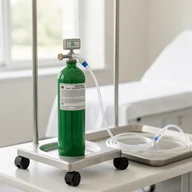
Only after nitrous oxide, which is flushed out with pure oxygen at the end of the visit. Oral, IV and general sedation require a responsible adult escort, and the medication can take about 24 hours to clear.
What are the fasting rules before sedation?
The exact window comes from the practice, not from any published range, and a missed window cancels the appointment. Ask for the cut-off time in writing. Oral sedation is taken about an hour before the appointment, which is why the timing is on the prescription.
Is sedation dentistry safe?
These medicines are used in dentistry, and published guidance describes the monitoring and the dose adjustment that goes with them - including heart rate and blood pressure during IV sedation. Safety is decided by the assessment your dentist makes, which is why your medical history matters more than the fee.
What should I declare before sedation?
Everything: prescription medication, anything you take that is not prescribed, alcohol use, sleep apnoea, and any heart, lung, liver or kidney condition, plus pregnancy and any previous reaction to anaesthesia. Those answers decide which sedation is safe for you and how you are monitored.
Is sedation available for children?
Yes. Published clinical guidance notes that where a child is anxious a dentist may use a liquid sedation such as midazolam syrup, and lists the same reasons as for adults: fear, difficulty holding still, a strong gag reflex, or treatment longer than the child can manage. An escort and a quiet rest of the day apply.
Which sedation is right for oral surgery?
Oral surgery is where the deeper options come in. Published guidance notes that an oral surgeon may give anesthesia before the procedure, or a dental anesthesiologist may provide IV sedation while your dentist treats you; general anesthesia is published at $800 - $2,000 per procedure.
Do all Louisville dentists offer sedation?
No, and this is the practical catch. Published patient guides are explicit that practices differ - some offer nitrous only, some add oral sedation, and IV sedation is generally provided by oral-surgery groups or with a dental anesthesiologist present. That is exactly what our introduction matches on.
Does sedation dentistry affect the procedure fee?
No. The sedation is billed as its own line on top of the procedure, so a crown quoted at $1,400 does not include it. Combining several procedures into one sedation event is the main way to cut the sedation side of the total.
How do I start with a sedation dentist in Louisville?
Tell us what makes dental care hard and we will introduce sedation-trained dentists whose offices cover your part of Louisville and Jefferson County. There is no charge for the introduction.
Related




Sources
Sedation Dentistry tools & calculators
All 20 free Sedation Dentistry tools
Cost calculators, comparisons and checklists. No sign-up.

Cost calculator
Estimate the range for a case in about a minute.
Cost guide
Every published appliance range, in one page.

Consultation checklist
What to bring and what to ask before you commit.
Knowledge quiz
Ten questions on costs, timing and coverage.

Sedation advisor
Eight questions that point to an appliance path.

Cost & Payment tools
Estimator, coverage checker, financing, payment plans, retainer cost, value over time

Cost & coverage tools
Sedation cost estimator, insurance and CDT code checker, multi-procedure planner
Compare & choose tools
Nitrous vs oral vs IV sedation option selector

Prepare & safety tools
Appointment-day planner, medical-history and medication checklist, questions to ask

Checklists & Answers tools
Practice questions, records and X-ray checklist, second opinion, smile check
Sedation Dentistry resources

Blogs
Cost, timing and buying guides for Louisville families.
Problems
The bite and smile issues families ask about most.
Watch
Video walkthroughs and what to expect.
FAQ
The questions we get asked most.

How it works
The request, the match, the quotes.

About
Who this free matching service is for in Louisville.