Sedation is usually discussed as if it belongs to surgery. In practice most of it is much more ordinary: a cleaning, a filling, a crown, a root canal. For a Louisville patient who cannot face those appointments at all, that is the whole point.
The appointment that has been put off for years is usually a small one
A surprising share of sedation requests are for treatment that takes under an hour: a couple of fillings, a scale and clean, a broken crown that needs re-cementing. Patients avoid them for so long that a ten-minute fix becomes a bigger problem, and the sedation is what makes the ten-minute fix happen.
Published clinical guidance treats fear of dental treatment and fear of needles as clinical reasons sedation is offered, and it lists difficulty controlling movement and a very sensitive gag reflex alongside them. None of that is reserved for surgery.
What sedation changes here, and what it does not
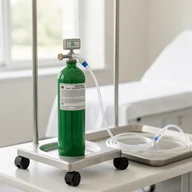
It changes how much you tolerate. The dentistry itself is unchanged: the same diagnosis, the same materials, the same aftercare. With inhaled sedation you are relaxed but awake within a few minutes of the mask going on, and clear enough to drive yourself home. With a prescription sedative taken about an hour before, you stay responsive but may sleep, and the medication can take about 24 hours to clear. Intravenous sedation is the deepest option available in a dental office, with heart rate and blood pressure checked during the visit.
What it does not change is the fee structure. Sedation is billed as its own line, on top of the procedure, which is why people doing several small appointments often ask about combining them into one longer sedation session.
Ask who stays with you for the whole procedure and what they monitor, because that answer is the actual difference between practices offering the same sedation type. Published guidance describes heart rate and blood pressure being checked during intravenous sedation, with the dose adjusted as needed, and that monitoring applies whether the treatment is surgical or a single filling.
The recovery side is worth planning as carefully as the appointment. After the prescription, intravenous and general routes, expect about 24 hours before the medication clears: no driving, no alcohol and nothing that needs a clear head. Inhaled sedation is the exception, and it is the reason patients with nobody to drive them usually start there.
The money, in published terms
Published ranges for the sedation itself are $50 to $150 per visit for the inhaled route, $150 to $500 per appointment for a prescription sedative, $250 to $1,000 or more per visit intravenously, and $800 to $2,000 per procedure where general anaesthesia is used for surgery.
The dental work is charged separately, and dental plans frequently cap or exclude sedation - so the sedation line often comes out of pocket even where the treatment is covered. Ask which code will appear on the treatment plan: D9230 for inhaled sedation, D9248 for non-IV oral conscious sedation, D9239 or D9243 for intravenous sedation.
Two practical questions people rarely ask and should: whether the pre-sedation assessment is charged separately, and what happens to the fee if the appointment has to be extended or rebooked.
Comparing the four options at a glance
The published detail behind each route, so the trade-offs are visible before you talk to a practice.
| Option | How it is given | Getting home | Published range |
|---|---|---|---|
| Nitrous oxide | Inhaled through a mask or nosepiece, effective within three to five minutes | You can drive yourself | $50 to $150 per visit |
| Oral conscious sedation | A prescription taken about an hour before the appointment | Adult escort required | $150 to $500 per appointment |
| IV sedation | Into a vein, with heart rate and blood pressure checked during the visit | Adult escort required | $250 to $1,000 or more per visit |
| General anaesthesia | Given by an oral surgeon or dental anaesthesiologist | Adult escort required | $800 to $2,000 per procedure |
What to prepare, and what to ask
The preparation is short but unforgiving: the fasting window comes from the practice and missing it cancels the appointment, the full medication list has to be written down rather than remembered, and the escort question needs settling before you book rather than on the morning.
Ask which sedation options the practice actually provides, who monitors you during the appointment and what they monitor, both fees in writing, the CDT code, and what happens if your anxiety turns out to be worse than you both expected. A practice that answers all five without hesitation is telling you something useful.
A checklist to bring to the consultation
Ten items worth settling before sedation is agreed.
- I know which dental problem I want to discuss.
- I have a current list of everything I take, including anything not prescribed.
- I know my allergies and relevant medical history, including sleep apnoea and any previous reaction to anaesthesia.
- I can describe what specifically makes me anxious.
- I have asked which sedation options this practice provides.
- I know whether I need an escort, and who it will be.
- I have the eating and drinking instructions in writing.
- I know what the recovery period looks like and who will be with me.
- I have both fees - procedure and sedation - in writing, with the CDT code.
- I have written down my questions for the dentist.
Three things patients get wrong
1. Hiding medication or a medical condition to get sedation approved. Do not. A sleep-apnoea diagnosis or a heart condition changes which sedation is safe and how closely you are monitored.
2. Assuming every practice that says "sedation dentistry" offers every type. They do not. Some provide inhaled sedation only, some add a prescription sedative, and intravenous sedation is generally provided by oral-surgery groups or with a dental anaesthesiologist present.
3. Assuming sedation is required for a root canal, extraction or implant. It is not. Sedation is an individual clinical consideration.
Frequently asked questions
Can I have sedation for a routine cleaning?
That is a clinical decision for your dentist, but published guidance does not limit sedation to surgery - it is offered for anxiety, a strong gag reflex, difficulty holding still and similar reasons.
Is inhaled sedation enough for a filling?
It often is, because it suits short appointments and mild to moderate anxiety. Where anxiety is severe, published guidance points to a prescription sedative or intravenous sedation instead.
Do I need an escort?
Not for inhaled sedation - it clears within minutes and you can drive. The prescription, intravenous and general routes all require a responsible adult escort, with about 24 hours before the medication clears.
Sources
Related



Sedation Dentistry services in Louisville

Iv Sedation Dentistry
IV sedation is the deepest form of conscious sedation available in a dental office. The medication goes directly into the bloodstream so the dose can be adjusted during the visit, and published clinical guidance describes heart rate and blood pressure being checked throughout.

Oral Conscious Sedation
Oral conscious sedation is a prescription taken about an hour before the appointment. Published clinical guidance names triazolam (Halcion), in the Valium family, along with zaleplon and lorazepam, and notes that children may be given a liquid such as midazolam syrup.
Nitrous Oxide Sedation
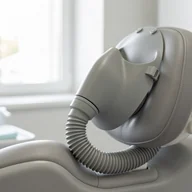
Nitrous oxide is the lightest and least expensive sedation option, and the only one that lets you drive yourself home. Published clinical guidance says the calming effect starts within three to five minutes and that pure oxygen at the end flushes the gas out.

Sedation For Dental Anxiety
Published clinical guidance lists the situations sedation exists for: fear of dental treatment, fear of needles that makes numbing injections unbearable, a very sensitive gag reflex, very sensitive teeth, claustrophobia in the treatment chair, difficulty controlling movement, and physical, behavioural or cognitive needs that make relaxing difficult.

Sedation For Oral Surgery
Oral surgery is where sedation stops being optional. Published guides put IV sedation at $250 - $1,000 or more per visit and general anesthesia for oral surgery at $800 - $2,000 per procedure, and clinical guidance notes that an oral surgeon may give anesthesia before the procedure or a dental anesthesiologist may provide it while your dentist treats you.

Sedation Dentistry For Children
Published clinical guidance notes that where a child is anxious, a dentist may use a liquid sedation such as midazolam syrup (Versed). The reasons are the same as for adults: fear, an inability to hold still, a strong gag reflex, or treatment that takes longer than a child can manage.
Areas we serve
Louisville
Sedation Dentistry in Louisville, KY - costs, water and soil notes.

St. Matthews
Sedation Dentistry in St. Matthews, KY - costs, water and soil notes.
Jeffersontown
Sedation Dentistry in Jeffersontown, KY - costs, water and soil notes.

Shively
Sedation Dentistry in Shively, KY - costs, water and soil notes.
Fern Creek
Sedation Dentistry in Fern Creek, KY - costs, water and soil notes.

Okolona
Sedation Dentistry in Okolona, KY - costs, water and soil notes.

Newburg
Sedation Dentistry in Newburg, KY - costs, water and soil notes.

Buechel
Sedation Dentistry in Buechel, KY - costs, water and soil notes.

Highview
Sedation Dentistry in Highview, KY - costs, water and soil notes.
Pleasure Ridge Park
Sedation Dentistry in Pleasure Ridge Park, KY - costs, water and soil notes.

Valley Station
Sedation Dentistry in Valley Station, KY - costs, water and soil notes.

Middletown
Sedation Dentistry in Middletown, KY - costs, water and soil notes.
Anchorage
Sedation Dentistry in Anchorage, KY - costs, water and soil notes.
Prospect
Sedation Dentistry in Prospect, KY - costs, water and soil notes.
Sedation Dentistry tools & calculators
All 20 free Sedation Dentistry tools
Cost calculators, comparisons and checklists. No sign-up.

Cost calculator
Estimate the range for a case in about a minute.
Cost guide
Every published appliance range, in one page.
Consultation checklist
What to bring and what to ask before you commit.
Knowledge quiz
Ten questions on costs, timing and coverage.

Sedation advisor
Eight questions that point to an appliance path.
Cost & Payment tools
Estimator, coverage checker, financing, payment plans, retainer cost, value over time

Cost & coverage tools
Sedation cost estimator, insurance and CDT code checker, multi-procedure planner
Compare & choose tools
Nitrous vs oral vs IV sedation option selector
Prepare & safety tools
Appointment-day planner, medical-history and medication checklist, questions to ask
Checklists & Answers tools
Practice questions, records and X-ray checklist, second opinion, smile check
Sedation Dentistry resources
Blogs
Cost, timing and buying guides for Louisville families.
Problems
The bite and smile issues families ask about most.
Watch
Video walkthroughs and what to expect.
FAQ
The questions we get asked most.
How it works
The request, the match, the quotes.

About
Who this free matching service is for in Louisville.